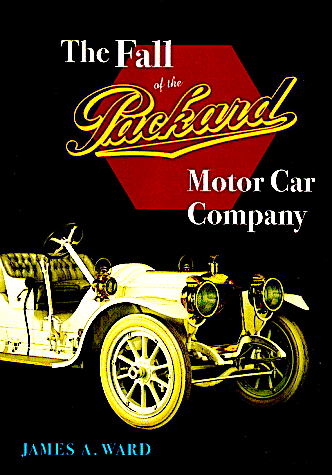
James Ward makes the death of Packard excruciatingly complicated, but it doesn’t need to be.
To be fair, automotive historians, at least serious ones like Ward, have to go into the weeds.
But, really, Packard died in 1958 because its cars were ugly and unreliable and had terrible build quality. More than one story involves the factory – and some owners – having to use crowbars to get doors open. Consider that the Packard was considered a luxury car, and you see the problem.
There were many other factors: the Ford and Chevy price wars of the early 1950’s, the inherent limitations of smaller car makers, few (and lazy) dealerships, a resurgent Cadillac, the wrong merger partner (Studebaker), a lying merger partner (Studebaker) and a failure on Packard’s part to do due diligence when it came to Studebaker’s finances, aging plants, new plants that were too expensive and small, a lack of a dedicated body plant, vanishing military contracts after the Korean War ended, an overreliance on military contracts, labor costs, militant unions, personal enmity between Packard’s head and AMC’s head which made a more suitable merger impossible, a luxury reputation ruined by years of making the downscaled Clipper model, and on and on.
Ward is nice to James Nance, Packard’s eccentric chief. But, really, he was a mess, and other automotive historians nail him for being an ex-appliance (Hotpoint) salesman rather than luxury car material. He spent years pulling quality out of Packards to save money at the same time that wealthy blue-blooded old money customers had other and better choices. In time, Lincoln and even Chrysler Imperial got their acts together and at higher quality.
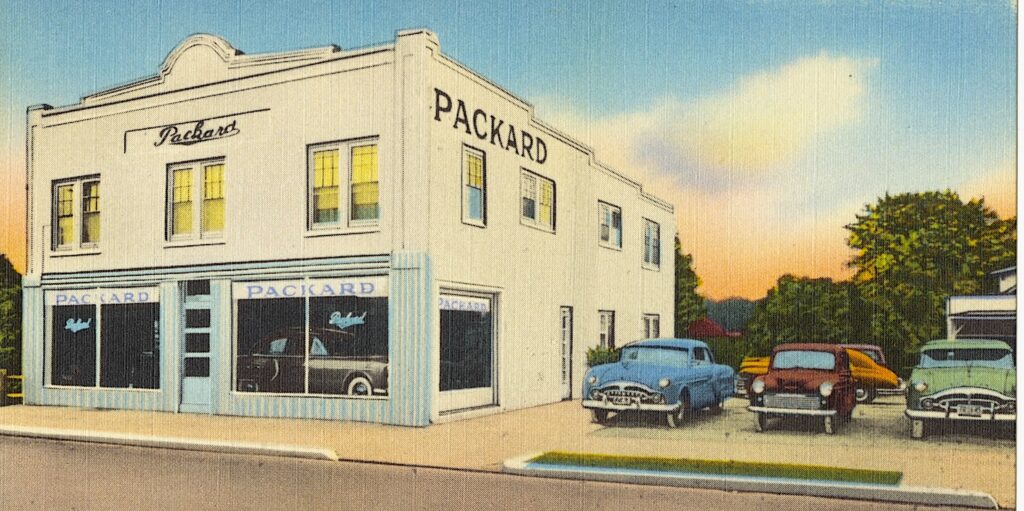
Nance tried to do too much too quickly and crammed half-baked tech into his aging auto bodies: homemade automatic transmissions, pushbutton auto transmission controls, torsion bar suspensions, V8’s, and so on. This stuff all failed, as it was done as Packard hurriedly tried to do it all in the tiny Detroit Connor plant. It was so new and unfamiliar to workers, and it was like building a submarine in your bathtub. With a crowbar as your only tool.
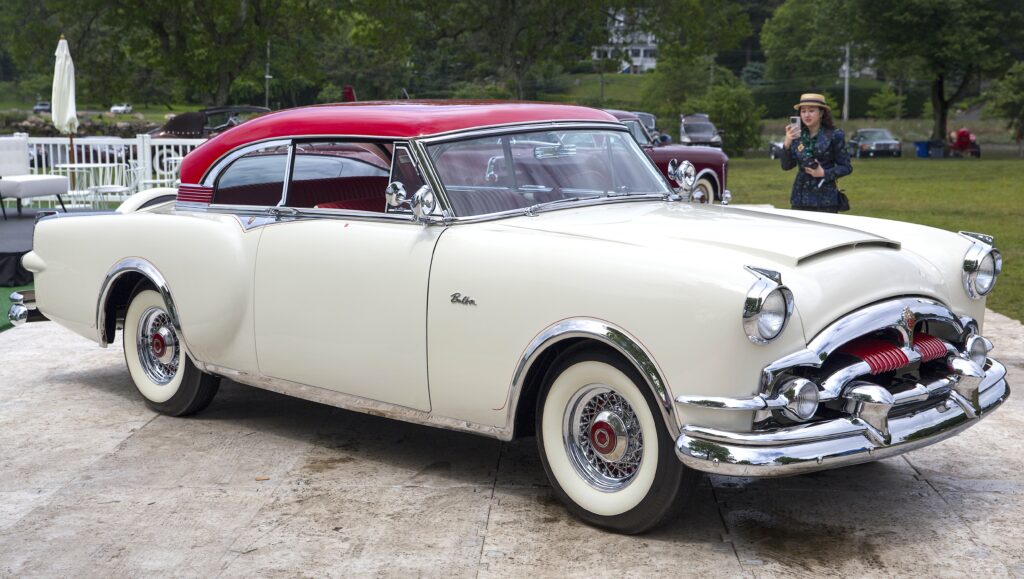
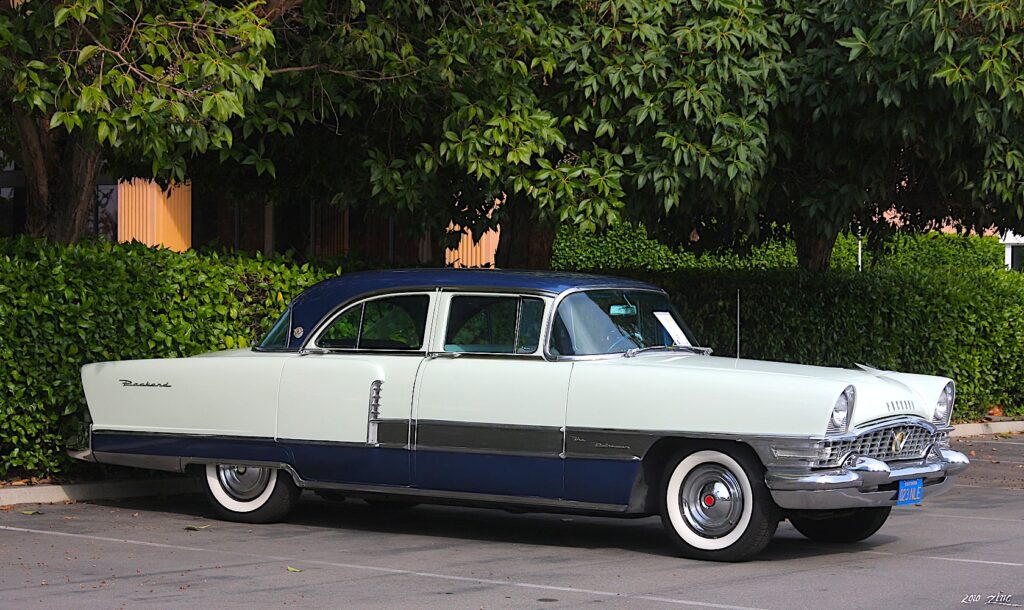
It all ended when Studebaker began making Packards as glorified Studebakers. They hung cheap Packard ornamentation on Studebaker bodies in a half-assed attempt to keep the nameplant active. They looked even worse than the last real Packards. The plug was pulled in 1958 and the Packard name was dropped from Studebaker-Packard in 1962.
American Motors Corporation, AMC, proved that smaller manufacturers could survive and even at times prosper. And contrary to popular opinion, AMC never did go bankrupt. In 1988 they got a good deal out of Chrysler and were bought out.
AMC found a niche – smaller cars like the various Ramblers, which every schoolteacher I ever had in the 1960’s seemed to drive – and would have paired brilliantly with a luxury marque such as Packard. But AMC’s head George Romney (later Michigan governor and 1968 Presidential candidate, and Mitt Romney’s father) and Packard’s Nance both wanted to lead a Studebaker-Packard-AMC (an AMC which itself was a clever merger between Hudson and Nash) combine. So it was no deal.
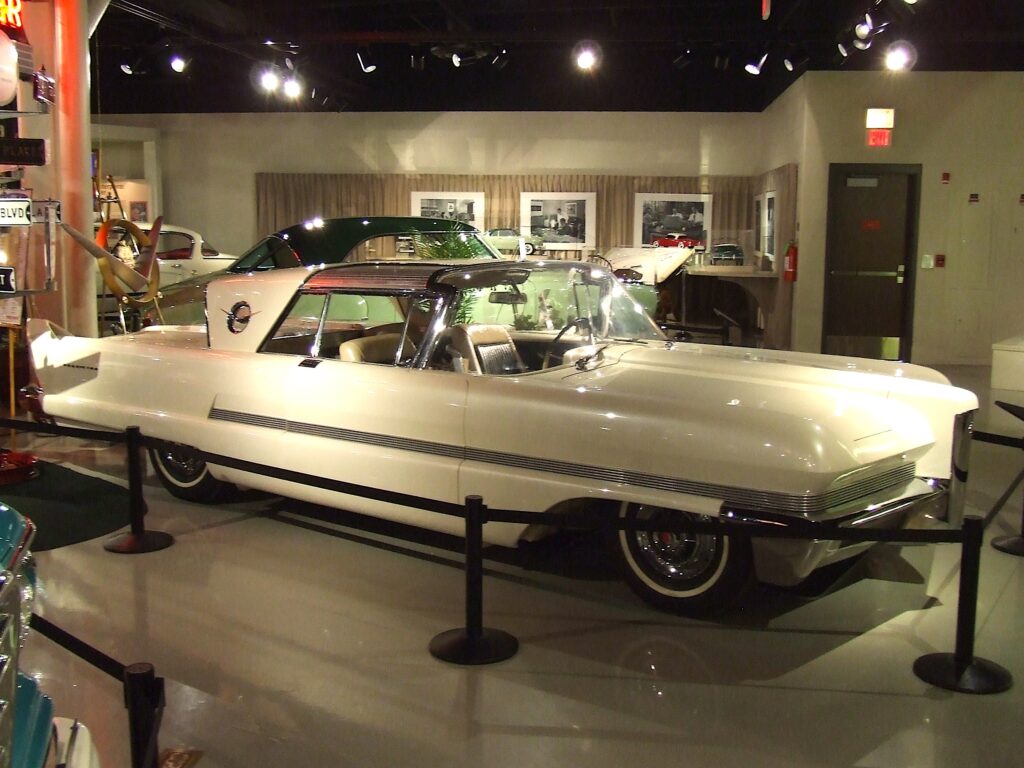
Ironically, AMC’s future Vice President of Design Dick Teague was in charge of the last true Packard styling. Below is Teague’s proposed 1957 redesign, a car that was never made.
It was tentatively named the “Predictor”. You decide if it ever had a chance: